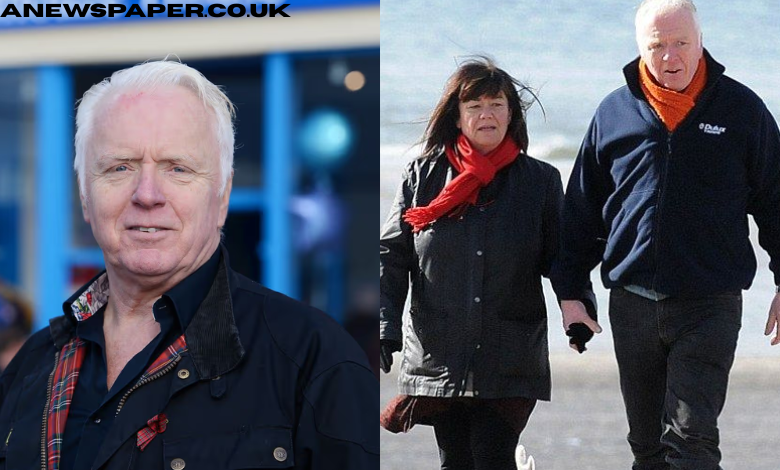
Mark Bignell is not widely known in popular culture, yet his contributions in addiction recovery and charity leadership have touched countless lives. Often mentioned in the media as the husband of British comedian Dawn French, Bignell’s public identity extends far beyond his marital association. His life’s work has been devoted to helping others through therapy, structured support, and residential rehabilitation services.
This article explores Mark Bignell as an individual, focusing on verifiable aspects of his professional life, values, and choices. It highlights how his preference for privacy has shaped both public curiosity and his quiet, lasting impact.
Early Life and Background
Mark Bignell was born on March 31, 1965, in Birmingham, England. Birmingham, one of England’s largest cities, is historically an industrial and cultural hub. Details about Bignell’s family and childhood are scarce, reflecting his commitment to personal privacy.
From a young age, Bignell showed an interest in supporting others. This led him to pursue training in therapy and counselling. While specific details of his education are not widely documented, it is evident that he was drawn to work that involves understanding human behaviour and promoting emotional well-being.
Professional Training and Career Path
Bignell trained as a therapist, a role that involves listening, assessing, and supporting individuals through personal challenges. Therapists must be trained in ethical practices, clinical interventions, and evidence-based approaches to help clients navigate complex emotional or behavioural issues. Bignell chose to specialise in addiction recovery, a demanding area that requires patience, empathy, and resilience. Addiction recovery work involves supporting individuals through withdrawal, emotional challenges, and the long-term process of rebuilding a stable life. His early career experience prepared him for leadership in the charity sector. He developed skills in programme management, staff coordination, and community engagement—all essential for running effective residential rehabilitation services.
Hamoaze House: Founding and Purpose
At the heart of Mark Bignell’s career is Hamoaze House, a Plymouth-based residential centre dedicated to supporting people in addiction recovery. He co-founded the organisation and served as its long-term chief executive.
Hamoaze House provides a structured environment where people recovering from drug and alcohol addiction can live temporarily while receiving therapeutic support. Residential rehabilitation removes clients from environments that may reinforce substance use and creates space for focused recovery.
The organisation offers various supports, including:
- Individual and group therapy
- Life skills development
- Relapse prevention planning
- Peer support networks
Hamoaze House works with families, healthcare agencies, and local authorities, ensuring a comprehensive approach to recovery. By creating a structured and compassionate setting, the organisation helps clients regain control over their lives.
Leadership and Organisational Approach
Mark Bignell’s leadership style combines professional expertise with practical management. Running a residential rehabilitation charity requires overseeing programmes, ensuring regulatory compliance, managing staff, and maintaining financial stability. Bignell’s background in therapy informs his approach to leadership. He understands individual challenges, supports staff development, and prioritises ethical practice. He manages the charity in a way that meets organisational demands while also addressing the emotional and mental well-being of clients and staff. Long-term leadership in the charity sector demands adaptability. Bignell’s tenure at Hamoaze House shows his commitment to continuous improvement, evolving practices, and maintaining a client-focused organisation.
Commitment to Privacy
Unlike many professionals associated with public figures, Mark Bignell has chosen to remain largely private. He has no public social media presence and rarely gives interviews. Media appearances are almost exclusively linked to charity work or life events such as his marriage. This approach reflects his values. Privacy, for Bignell, is not an absence of transparency but a conscious decision to focus on meaningful work rather than public recognition. By staying out of the spotlight, he ensures that attention remains on the services provided and the people supported.
Personal Life
Mark Bignell married Dawn French in 2009. French is a well-known comedian, actress, and writer in the UK. Their marriage has attracted public interest, yet both have respected each other’s boundaries. Public information about Bignell’s personal life is minimal. What is known is that he maintains a grounded and private family life. His choice to separate public attention from personal identity reflects the same values evident in his professional work: discretion, care, and focus on impact over recognition.
Impact on Addiction Recovery
The most tangible aspect of Bignell’s public service is his impact on addiction recovery through Hamoaze House. Addiction is a complex condition with biological, psychological, and social dimensions. Recovery is a long-term process that often requires structured support, skill-building, and community integration. Residential rehabilitation provides intensive support for people in the early stages of recovery. Hamoaze House offers a safe environment where clients can learn coping strategies, engage in therapy, and rebuild confidence. By doing so, it not only helps individuals but also supports families and the broader community.
Bignell’s leadership ensures that the charity maintains a consistent, ethical, and evidence-based approach. His work demonstrates how professional dedication, when combined with compassionate care, can create lasting change in vulnerable populations.
Professional Legacy
Mark Bignell’s legacy is one of sustained contribution. Co-founding a long-standing residential rehabilitation charity, leading it effectively for years, and maintaining professional integrity are all markers of his impact.
Some key aspects of his legacy include:
- Service-Oriented Leadership: Prioritising client welfare and organisational integrity
- Professional Ethics: Grounding decisions in therapeutic knowledge and ethical standards
- Community Impact: Supporting recovery and wellbeing for individuals and families
- Commitment to Privacy: Choosing substance over publicity
The endurance of Hamoaze House as a trusted facility in addiction recovery reflects Bignell’s vision and dedication.
Conclusion
Mark Bignell exemplifies a model of leadership defined by service, ethics, and quiet influence. While his marriage to Dawn French draws occasional media attention, the heart of his public identity lies in his work with people recovering from addiction. Through his leadership of Hamoaze House, Bignell has shaped an organisation that provides structure, therapy, and hope to those navigating challenging circumstances. His professional path demonstrates that impact is not measured by visibility but by sustained commitment, thoughtful leadership, and the ability to support change in others. In a world where public recognition often overshadows private achievement, Mark Bignell’s life offers a clear example of the difference that can be made through dedication, discretion, and service.