Tracqueur is a term that is commonly associated with tracking, monitoring, observation, and location management. Although the word may appear unfamiliar to some people, its core idea is easy to understand because it relates to the process of following movement, recording activity, or identifying the position of a person, object, vehicle, or digital asset. The growing use of tracking technology in transportation, logistics, security, and personal safety has made terms like tracqueur more relevant. Whether used to describe a GPS device, a monitoring application, or a broader tracking concept, the term reflects the increasing need for accurate information about location and activity. Understanding tracqueur provides insight into how modern tracking systems function and why they have become valuable in many industries and everyday situations.
What Is Tracqueur?
Tracqueur generally refers to a tracking system, device, or technology that gathers and reports information about movement, location, or behaviour. The exact meaning depends on the context in which the word is used. In vehicle management, it may describe a GPS tracker installed in a car or truck. In digital environments, it may refer to software that records user actions or monitors online activity. In security settings, it can describe a device that helps locate valuable assets or protect individuals. Despite these different applications, the main purpose remains the same: collecting information and providing visibility into where something is, where it has been, or how it is being used.
The Origin and Meaning Behind the Term
The structure of the word tracqueur suggests connections to European languages, particularly French, where similar words relate to tracking, following, or pursuing. Because of these associations, the term naturally creates images of observation and movement. Unlike many technical terms that sound complex, tracqueur remains memorable because it combines a sense of action with a sense of investigation. This has allowed the word to be used not only in technical discussions but also in branding, marketing, and creative projects. Its flexibility gives it broader appeal than many traditional tracking-related terms.
How Tracqueur Technology Works
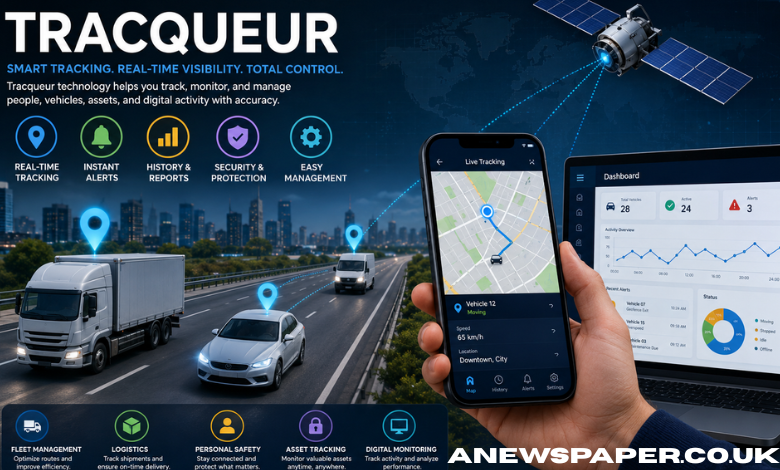
A tracqueur system works by collecting data from a specific source and then delivering that information to users in a meaningful format. Depending on the type of system, data may come from satellites, mobile networks, sensors, software logs, or internet-connected devices. Once the information is gathered, it is processed and organised before being displayed through an application, dashboard, or online platform. Users can then monitor movement, analyse patterns, review historical records, or receive alerts when specific events occur. This combination of data collection, processing, and reporting forms the foundation of modern tracking technology.
GPS Tracqueur Systems
One of the most recognised forms of tracqueur technology is the GPS tracker. A GPS tracqueur uses signals from satellites orbiting the Earth to calculate the precise location of a device. This location information is then transmitted through mobile networks or internet connections to a central platform where users can view it in real time. GPS tracking has become widely used in transportation, fleet management, personal safety devices, and asset protection. The ability to determine exact locations quickly and accurately has transformed how businesses manage operations and how individuals maintain awareness of important assets and people.
Tracqueur in Vehicle Tracking
Vehicle tracking is among the most common applications of tracqueur technology because transportation companies and private owners benefit greatly from location awareness. A tracking device installed inside a vehicle continuously records its position, speed, travel route, and movement history. This information allows fleet managers to improve route planning, reduce fuel consumption, monitor driver performance, and respond quickly to unexpected situations. Private vehicle owners also use tracking systems to improve security and increase the chances of recovering a stolen vehicle. As transportation networks continue to grow, vehicle tracking remains one of the most practical uses of tracqueur systems.
The Role of Tracqueur in Logistics
Logistics companies rely heavily on tracking technology because products often travel through multiple locations before reaching their destination. A tracqueur system allows businesses to monitor shipments throughout the delivery process, reducing uncertainty and improving coordination. By knowing exactly where goods are located, companies can provide accurate delivery estimates, identify delays quickly, and maintain better control over inventory movement. Customers also benefit because they receive updates about their orders and gain greater confidence in the delivery process. The ability to track goods in real time has become an important feature of modern supply chain management.
Personal Safety and Tracking
Personal safety represents another area where tracqueur technology provides significant value. Individuals use tracking devices and applications to share locations with family members, monitor travel routes, and improve communication during emergencies. Parents may use location-sharing tools to stay informed about their children’s whereabouts, while caregivers may rely on tracking systems to help elderly family members who require additional support. In outdoor activities such as hiking or long-distance travel, tracking technology can provide reassurance by making it easier to locate someone if assistance becomes necessary. These applications demonstrate how tracking systems can contribute to everyday safety and peace of mind.
Digital Tracqueur Systems
Not every tracqueur focuses on physical locations because many systems are designed to monitor digital activity instead. Websites, applications, and online services frequently use tracking tools to record user interactions and analyse behaviour patterns. These systems help organisations understand how people use their products, which features receive the most attention, and where improvements may be needed. Digital tracking also supports performance monitoring, cybersecurity efforts, and business analytics. By transforming user activity into useful information, digital tracqueur systems help organisations make informed decisions based on real data.
Asset Tracking Applications
Many organisations own valuable equipment that moves regularly between different sites, making asset tracking an important operational requirement. Construction firms, healthcare providers, rental companies, and manufacturing businesses often use tracqueur technology to monitor tools, machinery, and equipment. Tracking systems help prevent loss, improve accountability, and reduce the time required to locate assets. When managers know where equipment is located and how frequently it is used, they can allocate resources more effectively and avoid unnecessary purchases. Asset tracking therefore contributes directly to operational efficiency and cost control.
Security Benefits of Tracqueur Technology
Security remains one of the strongest reasons for adopting tracking systems because tracqueurs provide continuous visibility into the movement and status of important assets. Real-time tracking allows users to identify suspicious activity quickly and respond before problems escalate. Many systems include features such as location alerts, movement notifications, and virtual boundaries that generate warnings when an asset enters or leaves a designated area. These capabilities improve protection for vehicles, equipment, shipments, and individuals. As security concerns continue to evolve, tracking technology remains an important tool for prevention and response.
Data Collection and Analysis
The effectiveness of a tracqueur depends largely on the quality of the information it collects and analyses. Accurate data allows users to make informed decisions based on reliable evidence rather than assumptions. Modern tracking systems can record location history, movement patterns, usage statistics, environmental conditions, and many other forms of information. Advanced software then processes this data to identify trends, generate reports, and support strategic planning. The ability to transform large amounts of information into actionable insights is one of the reasons tracking systems have become valuable across so many industries.
Privacy and Ethical Considerations
While tracking technology offers many benefits, it also raises important questions about privacy and responsible data use. Because tracqueur systems collect information about movement and behaviour, organisations must ensure that data is handled transparently and securely. Users generally expect to know what information is being collected, how it will be used, and who will have access to it. Strong security measures, clear policies, and respect for consent help maintain trust between organisations and individuals. Balancing the advantages of tracking with privacy protection remains an essential consideration for developers and users alike.
Future Developments in Tracqueur Technology
The future of tracqueur technology is likely to involve greater accuracy, stronger connectivity, and more advanced analytical capabilities. Improvements in satellite systems, wireless networks, and sensor technology will continue to enhance tracking performance. Artificial intelligence may also play a larger role by identifying patterns, predicting outcomes, and generating automated recommendations based on collected data. Longer battery life, expanded coverage, and smarter alert systems are expected to make tracking solutions even more useful. These developments will likely increase the adoption of tracqueur technology across industries that require precise information and operational visibility.
Why Tracqueur Continues to Matter
Tracqueur remains relevant because the need to understand location, movement, and activity exists across nearly every sector. Businesses depend on tracking systems to manage vehicles, monitor assets, coordinate logistics, and improve efficiency. Individuals use similar technologies to enhance safety, communication, and convenience. As organisations collect more data and seek better visibility into operations, tracking systems provide practical solutions that support informed decision-making. The continued growth of connected devices and digital infrastructure ensures that tracqueur technology will remain an important part of modern life.
Conclusion
Tracqueur represents the broader concept of tracking, monitoring, and information gathering through physical devices, software systems, and digital platforms. From GPS vehicle trackers and logistics management tools to personal safety applications and digital analytics systems, tracqueur technology serves many purposes while sharing a common goal: providing accurate and useful information about movement and activity. Its ability to improve security, increase efficiency, support decision-making, and enhance operational awareness has made it valuable across numerous industries. As technology continues to advance, the role of tracqueur systems will likely expand further, reinforcing their importance in both professional and personal environments.