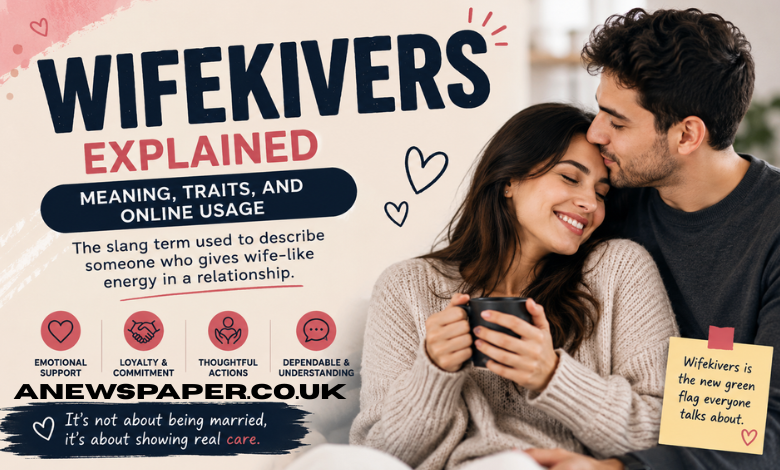
Wifekivers is a modern internet slang term that has gained attention through social media discussions, memes, and relationship-focused content. Although it resembles a conventional English word, Wifekivers emerged from online culture and gained popularity through social media communities. As with many viral phrases, its meaning is shaped by how people use it rather than by official dictionary definitions. The term is most commonly associated with relationship behaviour that reflects care, commitment, reliability, and qualities often linked to a long-term partner. As more people encounter the word on platforms such as TikTok, Instagram, and X, interest in understanding its meaning and usage continues to grow.
What Is Wifekivers?
Wifekivers is an informal slang expression used to describe a person who displays strong partner-like qualities in a relationship. Rather than referring to marriage itself, the term focuses on behaviour that demonstrates emotional maturity, support, loyalty, and dedication. Someone may be described as having Wifekivers when they consistently show care for their partner, offer help during difficult times, communicate effectively, and invest genuine effort into the relationship. The term is often used as a compliment because it highlights actions that many people associate with a dependable and committed life partner.
Is Wifekivers a Real Word?
Wifekivers is not recognised as an official English word and does not appear in major dictionaries or formal language references. It belongs to the growing category of internet-created slang that develops naturally through social media interactions. Many online expressions begin as niche phrases before spreading across different platforms and communities. Although Wifekivers lacks formal recognition, its increasing use demonstrates how internet culture can influence language and create new ways of expressing ideas that resonate with modern audiences.
The Possible Origin of Wifekivers
The exact origin of Wifekivers remains unclear because internet slang rarely has a single identifiable creator. Most viral expressions emerge through repeated use by different users rather than from one specific source. The term likely evolved from the word “wife,” which is commonly associated with partnership, commitment, and supportive behaviour. Over time, internet users appear to have adapted the word into a more playful and modern expression that could be easily used in social media captions, comments, and discussions. This pattern is common in online language, where familiar words are modified to create new expressions that feel fresh and relatable.
Why Wifekivers Became Popular Online
The popularity of Wifekivers is closely linked to the rise of relationship content across social media platforms. Users frequently discuss dating experiences, relationship standards, emotional intelligence, and partner expectations. Because the term offers a simple way to describe desirable relationship behaviour, it fits naturally into these conversations. Social media also rewards short and memorable expressions that can quickly communicate an idea, making Wifekivers appealing to content creators and everyday users alike. Its flexibility allows people to use it in serious discussions, humorous posts, and personal stories, helping the term spread across different online communities.
How Wifekivers Is Commonly Used
The meaning of Wifekivers can vary slightly depending on context, but it is generally used in the following ways:
- Describing caring relationship behaviour
- Praising emotional support
- Highlighting loyalty and commitment
- Identifying long-term partner qualities
- Discussing relationship compatibility
- Creating humorous relationship memes
- Complimenting thoughtful actions
- Referring to dependable behaviour
These different uses show why the term remains versatile and adaptable across various types of online conversations.
Wifekivers as a Sign of Emotional Support
One of the most common interpretations of Wifekivers involves emotional support within a relationship. People often use the term when describing someone who listens carefully, provides encouragement, and remains present during challenging situations. Emotional support is considered one of the foundations of healthy relationships, and many online users associate Wifekivers with individuals who consistently prioritise their partner’s emotional well-being. Rather than focusing on grand romantic gestures, the term often highlights everyday actions that help strengthen trust and connection between partners.
Wifekivers and Dependability
Dependability is another major characteristic linked to Wifekivers. A dependable person follows through on commitments, remains reliable during difficult periods, and offers support when needed. In relationship discussions, many users describe Wifekivers as behaviour that creates stability and reassurance. Consistency often matters more than occasional acts of kindness because long-term relationships rely heavily on trust and reliability. As a result, people frequently use the term to recognise individuals who consistently demonstrate responsible and supportive behaviour.
Traits Often Associated With Wifekivers
Many online discussions connect Wifekivers with a variety of positive relationship qualities, including:
- Loyalty
- Honesty
- Kindness
- Emotional intelligence
- Patience
- Respect
- Good communication
- Reliability
- Compassion
- Commitment
- Supportiveness
- Thoughtfulness
Although different people may interpret the term differently, these qualities appear frequently in conversations about what Wifekivers represents.
Wifekivers in Dating Conversations
Dating culture has increasingly shifted towards discussions about compatibility, emotional maturity, and long-term relationship potential. Within these conversations, Wifekivers is often used to describe behaviour that signals readiness for a serious relationship. Instead of focusing solely on attraction, the term encourages attention to qualities that contribute to healthy partnerships. Many users discuss whether certain actions indicate genuine commitment or whether they simply reflect basic kindness. These debates have helped keep the term relevant within online dating communities.
How Social Platforms Turned Wifekivers Into a Viral Term
Social media platforms play a significant role in the creation and distribution of new slang. TikTok videos, Instagram reels, memes, and viral posts can expose millions of users to a term within a short period of time. Wifekivers gained visibility through this process as users began incorporating it into captions, relationship advice content, and humorous commentary. Once a phrase starts appearing repeatedly across different platforms, it often becomes part of broader internet culture. This rapid sharing allows new words to gain recognition much faster than traditional language development.
Is Wifekivers Always Positive?
Although Wifekivers is usually used positively, its meaning can occasionally become negative or sarcastic depending on the situation. Some users employ the term jokingly when people praise ordinary acts of kindness as though they are extraordinary. Others use it ironically to comment on unrealistic relationship expectations. Since online expressions frequently develop through jokes, trends, and creative usage, a single term can take on multiple interpretations depending on how it is used. Understanding the intention behind the statement is therefore important when interpreting how Wifekivers is being used.
Examples of Behaviour Often Labelled as Wifekivers
Many online users apply the term to actions that demonstrate genuine care and commitment, including:
- Checking on a partner during stressful periods
- Remembering important dates and events
- Providing emotional encouragement
- Helping with practical responsibilities
- Supporting personal goals and ambitions
- Communicating openly and honestly
- Showing appreciation and gratitude
- Being available during difficult moments
- Respecting boundaries
- Prioritising mutual growth within the relationship
These behaviours are often viewed as indicators of a healthy and supportive partnership.
Wifekivers and Relationship Expectations
The popularity of Wifekivers reflects broader conversations about what people value in relationships. Modern relationship discussions increasingly emphasise emotional availability, communication skills, mutual respect, and consistent effort. The term serves as a shorthand way of recognising these qualities without requiring lengthy explanations. At the same time, some users caution against placing unrealistic expectations on partners by treating normal acts of kindness as exceptional. This ongoing debate contributes to the term’s visibility and continued relevance in online relationship culture.
Similar Terms Related to Wifekivers
Several other internet expressions share similarities with Wifekivers and are often used in related discussions:
- Wife material
- Husband material
- Green flags
- Relationship goals
- Partner energy
- Long-term relationship potential
- Healthy relationship traits
- Commitment-minded behaviour
These terms all focus on qualities that people commonly associate with successful and supportive relationships.
The Future of Wifekivers
Like many internet slang expressions, the long-term future of Wifekivers remains uncertain. Some online terms disappear quickly after reaching peak popularity, while others become permanent parts of digital vocabulary. The continued use of Wifekivers will depend on whether social media users find value in the concept and continue incorporating it into conversations. Regardless of its future popularity, the term provides an interesting example of how internet communities create new language to describe modern relationship experiences and evolving social expectations.
Conclusion
Wifekivers is an internet slang term used to describe someone who demonstrates thoughtful, supportive, and dependable behaviour within a relationship. Although it is not officially recognised in dictionaries, the expression has gained popularity across social media because it offers a simple way to identify qualities associated with long-term partnership. Most uses of the term are positive and focus on emotional support, loyalty, commitment, and reliability, although it can also be used humorously or sarcastically in certain situations. As online culture continues to shape language, Wifekivers stands as an example of how new words emerge to reflect changing conversations about relationships, dating, and human connection.