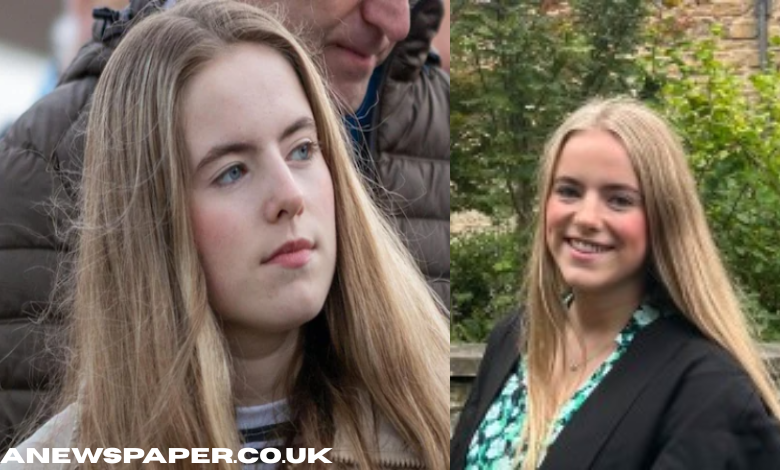
Amelie McCann is widely known as the twin sister of Madeleine McCann, the British child who went missing in 2007 in Portugal, in a case that drew international attention and extensive media coverage. Born in 2005 to Kate and Gerry McCann in Leicestershire, England, Amelie entered a family that was both close-knit and already facing extraordinary circumstances. While her sister’s disappearance thrust the McCann family into the global spotlight, Amelie has largely remained shielded from public attention by her parents, who prioritized her privacy and normal childhood experience despite the intense scrutiny surrounding their family.
Amelie’s early years were spent alongside her twin brother, Sean, in an environment that balanced the demands of a public search for Madeleine with the needs of her surviving children. Her parents worked in medicine; her father, Gerry, is a cardiologist, and her mother, Kate, formerly a general practitioner, dedicated herself to the search for Madeleine while managing the household and providing care and support to Amelie and Sean. This focus on family stability was central to the McCann household, as the parents sought to ensure their younger children were not defined solely by the tragedy that had affected their family.
Early Life and Family Environment
Amelie McCann was born into a supportive household in Leicestershire, a county in central England. The McCann family valued education and a structured environment, giving their children a sense of normalcy despite extraordinary circumstances. From a young age, Amelie experienced a childhood unlike most of her peers. While attending nursery and primary school, she was indirectly influenced by worldwide media coverage of her sister’s disappearance, yet her parents maintained strict boundaries around media exposure to protect her emotional development.
As a twin, Amelie shared a unique bond with Sean McCann. The twins were cared for in a home where attention to routine, schooling, and friendships was emphasized. Her parents ensured that the children had regular childhood experiences such as playdates, school trips, and family outings. At the same time, the family remained engaged in the search for Madeleine, which included public appeals, legal inquiries, and coordination with investigative authorities in both the United Kingdom and Portugal. Balancing these dual realities—providing a normal upbringing while navigating international scrutiny—was a challenge that shaped Amelie’s formative years.
Media Attention and Public Perception
The McCann case has been extensively covered in global media, documentaries, and online discussions, with Madeleine McCann becoming a symbol of child safety awareness worldwide. In this context, Amelie’s existence has been largely peripheral to public discussions. Her parents have consistently emphasized the importance of keeping her identity and daily life private. Unlike her missing sister, Amelie has had no direct interaction with the media, interviews, or public appearances, which has been a deliberate strategy by her parents to protect her childhood and mental well-being.
Despite this, public curiosity about Amelie has persisted. People have sought glimpses into her life and her perspective on the family’s situation. While information is limited, reports indicate that she has grown up in a loving, protective environment where her parents have prioritized emotional support and resilience-building. Her story is often framed not around the tragedy itself but around the challenge of growing up under extraordinary circumstances with privacy, stability, and familial care at the forefront.
Life During Formative Years
From 2007 onward, when Amelie was two years old, she experienced a childhood shaped by both ordinary family life and the unusual circumstances of her sister’s disappearance. This duality required careful management by her parents. They sought to allow Amelie to enjoy typical childhood milestones, such as attending school, forming friendships, and participating in extracurricular activities, while also managing the constant attention and inquiry from the media and public.
Her parents reportedly fostered resilience by shielding her from unnecessary exposure to details about Madeleine’s case, giving her age-appropriate understanding when needed, and supporting her social and emotional growth. Amelie’s early environment emphasized safety, education, and nurturing relationships with her siblings and extended family. While external circumstances were extraordinary, the family aimed to create an internal sense of normalcy.
Educational Path and Personal Development
Although specific details about Amelie’s schooling are private, it is known that the McCann children were raised with an emphasis on learning and intellectual development. Her parents’ background in medicine likely influenced their approach to education, promoting curiosity, responsibility, and structured routines. Amelie, like her twin brother Sean, experienced an upbringing focused on academic development and personal growth, which helped her navigate life amidst public curiosity.
Her adolescence coincided with an era of digital connectivity, where social media and online discussion made total privacy challenging. Despite these conditions, Amelie has reportedly continued to live away from the public eye, a testament to her family’s careful management and protective measures. This environment has allowed her to develop autonomy and resilience while maintaining a sense of normalcy as she transitioned into young adulthood.
Psychological and Social Implications
Growing up as the sibling of a missing person presents unique psychological and social challenges. Amelie’s parents were reportedly aware of these challenges and have taken steps to mitigate stressors and provide support. Protective measures included limiting exposure to news coverage, restricting social media interactions, and fostering a safe and nurturing home environment. These strategies were essential in helping her develop confidence, coping mechanisms, and a secure identity apart from the highly publicized tragedy.
Furthermore, the family has emphasized strong sibling bonds and community support to help Amelie and Sean navigate complex social and emotional landscapes. While the circumstances of her childhood were atypical, these interventions aimed to balance public attention with private, age-appropriate guidance.
Public Curiosity and Ethical Considerations
Amelie McCann’s life remains largely private, raising broader ethical questions about the treatment of children in high-profile cases. Media outlets and the public are often eager for updates, yet her parents’ stance underscores the importance of safeguarding the rights and well-being of minors. Ethical journalism and responsible reporting have played a role in maintaining her privacy, ensuring that while Madeleine’s story continues to receive coverage, Amelie’s identity and daily life are not exploited.
The McCann family’s approach reflects a conscious effort to navigate public interest while respecting the autonomy and safety of their surviving children. Amelie’s experience highlights the tension between public fascination with high-profile cases and the fundamental rights of children to grow up with dignity and privacy.
Transition to Adulthood
As of 2025, Amelie McCann is approximately 20 years old. Entering adulthood, she has experienced the dual legacy of growing up as a twin in a media-sensitive household and navigating life largely outside the public spotlight. This transition involves new educational opportunities, potential career paths, and personal development independent of her family’s history. While public interest in her remains, she has the chance to define her own identity and life goals without media intrusion.
The McCann family’s long-term focus on protecting Amelie’s privacy appears to have provided her with the tools to manage personal challenges while maintaining connections to her family and community. The emphasis on stability, education, and emotional support has likely shaped her into a resilient young adult capable of navigating a world shaped by extraordinary early experiences.
Conclusion
Amelie McCann’s story is a reminder of the human impact behind high-profile news stories. Amelie grew up in a family under worldwide scrutiny after her sister Madeleine went missing, yet her life has remained mostly private. Her life reflects a careful balance between normal childhood development, familial support, and resilience-building in the context of extraordinary circumstances. While public curiosity about her will likely continue, Amelie’s narrative emphasizes the importance of privacy, protection, and ethical consideration in cases where children are indirectly affected by high-profile tragedies.
Today, Amelie stands as an example of growing up with resilience, underlining the significance of supportive family structures and measured media engagement. Her life, while inevitably linked to a historical case that captured the world’s attention, also exemplifies the possibility of navigating personal development, education, and family relationships in a private, protected environment.