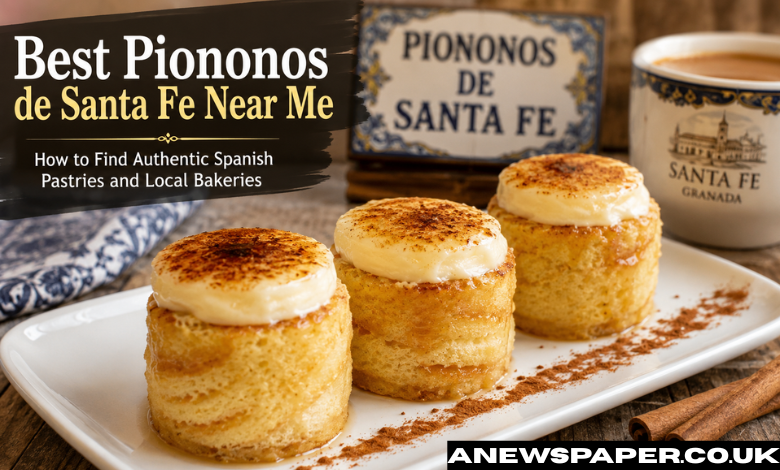
Searching for the best piononos de Santa Fe near me is about more than satisfying a sweet craving. It is about discovering one of Spain’s most recognized regional pastries and understanding the traditions behind it. Originating in the town of Santa Fe near Granada, this dessert combines a soft sponge cake, sweet syrup, rich pastry cream, cinnamon, and a lightly caramelized topping. Although piononos are widely available in Andalusia, finding authentic versions outside Spain can be more challenging.
People often search online expecting to find nearby bakeries offering traditional piononos, but the results may vary depending on location. In many countries, bakeries may sell similar desserts under different names, making it important to understand what defines a true pionono. Knowing its history, ingredients, and characteristics can help you identify quality options wherever you live.
What Are Piononos de Santa Fe?
Piononos de Santa Fe are small cylindrical pastries made from thin layers of sponge cake that are rolled, soaked in syrup, and filled with pastry cream. The top is usually finished with a layer of toasted cream or caramelized sugar that adds a slightly smoky flavor to the sweetness. Unlike larger cream rolls or Swiss rolls, traditional piononos are served as individual desserts designed to provide a balanced combination of flavors in every bite.
The texture of a pionono is one of its most important features. The sponge should remain moist without becoming heavy, while the cream filling should be smooth and rich without overpowering the pastry itself. The combination of syrup, cinnamon, and caramelized topping creates a dessert that reflects the culinary traditions of southern Spain.
The History Behind Piononos
The origin of piononos dates back to the nineteenth century in Santa Fe, a historic town in the province of Granada. The pastry was created by local baker Ceferino Isla González and named after Pope Pius IX, who was known as Pío Nono in Spanish. Since then, piononos have become closely associated with the identity and culture of Granada.
The dessert also reflects the historical influences that shaped Andalusian cuisine. The region’s food traditions combine Spanish, Moorish, and Mediterranean elements, which can be seen in the use of ingredients such as cinnamon, syrup, and custard. Today, piononos remain one of the most popular desserts for visitors exploring Granada and surrounding areas.
Reasons People Look for Authentic Piononos de Santa Fe in Their Area
Many people first discover piononos while traveling through Spain and later search for them after returning home. Others learn about the dessert through social media, food blogs, or recommendations from friends interested in international cuisine. Regardless of how people encounter them, piononos often leave a lasting impression because of their unique texture and flavor.
Looking for the best piononos de Santa Fe near me does not always produce exact matches, as many local bakeries offer similar pastries under different names. Instead, they may categorize them as cream-filled sponge cakes or specialty European pastries. Understanding this difference helps consumers broaden their search and improve their chances of finding authentic versions.
What Makes a High-Quality Pionono?
A high-quality pionono depends on balance. The sponge cake should be light enough to absorb syrup without falling apart, while the pastry cream should be rich without becoming overly dense. The sweetness should complement the dessert rather than dominate it, allowing the cinnamon and caramelized topping to add depth and contrast.
Freshness is equally important because piononos contain cream and syrup that can quickly affect the texture if stored for too long. Bakeries that prepare small batches throughout the day often produce better results than those relying on mass production. When evaluating a pionono, pay attention to moisture, cream consistency, and the quality of the caramelized finish.
Where to Find Authentic Piononos
Spanish bakeries offer the best opportunity to find traditional piononos because they often follow authentic recipes and preparation methods. Andalusian pastry shops are even more likely to specialize in regional desserts from southern Spain, although these businesses can be difficult to find outside major cities.
European cafés and Mediterranean restaurants may also serve piononos, especially in areas with diverse food cultures. In some cases, specialty dessert stores offer seasonal selections that include Spanish pastries. Checking menus online and reviewing customer photos before visiting a bakery can help you determine whether a location serves authentic piononos.
Searching for Piononos Outside Spain
Finding piononos outside Spain requires flexibility because many bakeries adapt traditional recipes to local tastes. Some businesses may offer similar desserts under names such as cream rolls, custard-filled sponge cakes, or mini Swiss rolls. While these products may not exactly match the original version from Santa Fe, they can still provide a comparable experience.
The key is focusing on the dessert’s characteristics rather than the name alone. Look for pastries featuring soft sponge cake, syrup, pastry cream, and a lightly caramelized top. This approach often produces better search results than relying exclusively on the term “piononos.”
How to Use Online Reviews Effectively
Customer reviews can provide useful information when searching for quality bakeries. Instead of focusing only on overall ratings, pay attention to comments describing freshness, authenticity, texture, and sweetness. Reviews that mention traditional preparation methods or homemade pastry cream can offer valuable insight into the quality of the dessert.
Photographs uploaded by customers can also help you identify authentic piononos. A traditional pionono should appear moist, compact, and topped with lightly caramelized cream. Images often reveal details that written descriptions may overlook.
Can You Order Piononos Online?
Some bakeries in Spain and other countries offer shipping services for traditional desserts, including piononos. Before placing an order, check whether the bakery uses insulated packaging and expedited delivery methods, as cream-filled pastries require careful handling during transportation.
Because piononos are best enjoyed fresh, local pickup usually provides a better experience than long-distance shipping. If you cannot find them nearby, contacting specialty bakeries directly may help you arrange a custom order or learn about future availability.
Making Piononos at Home
For people who cannot find authentic piononos locally, preparing them at home is a practical alternative. Traditional recipes use simple ingredients such as eggs, flour, sugar, milk, cinnamon, and vanilla, but the preparation process requires patience and precision. The sponge must remain flexible enough to roll without cracking, while the pastry cream needs the right consistency to hold its shape.
Making piononos at home also allows you to adjust sweetness levels and experiment with different variations while preserving the essential characteristics of the original dessert. Although the process takes time, it provides a deeper appreciation for the craftsmanship involved in creating authentic piononos.
Final Thoughts
Searching for the best piononos de Santa Fe near me is an opportunity to explore one of Spain’s most celebrated desserts. Originating in Santa Fe near Granada, these pastries combine soft sponge cake, sweet syrup, pastry cream, cinnamon, and caramelized topping to create a distinctive flavor experience rooted in Andalusian culinary traditions.
Whether you discover piononos in a Spanish bakery, a European café, or your own kitchen, understanding their history and essential characteristics can help you recognize authentic versions. By focusing on freshness, balance, and traditional preparation methods, you can enjoy a dessert that continues to represent the culture and heritage of southern Spain.