If you search for best asado negro near me, you are usually trying to find a slow-cooked Venezuelan beef dish that feels more complete than a standard roast meal, and this search often comes from either curiosity about Latin American food or from someone wanting to reconnect with a dish they have tried before; Asado Negro is a traditional Venezuelan preparation where beef is cooked slowly in a dark sauce made from caramelized sugar, vegetables, spices, and broth, and the result is a tender roast with a deep brown color and a strong savory taste, and unlike quick beef dishes it depends on time and slow cooking rather than high heat or fast preparation, which is why people often look for it in specialized restaurants rather than regular dining spots.
What is Asado Negro
Asado Negro is a Venezuelan beef dish made by slow cooking a cut of beef, usually a lean roast cut similar to eye of round, in a sauce that gets its dark color from carefully caramelized sugar combined with stock, onions, garlic, and seasoning, and the cooking process is important because the sugar is not meant to burn but to develop a controlled dark base that gives the dish its signature color and taste; the beef is first browned and then cooked slowly in this sauce for hours until it becomes soft enough to cut easily, and during this time the meat absorbs the flavor of the sauce while also releasing its own juices, creating a thick, rich coating that is different from typical gravy-based roast beef dishes and more concentrated in both taste and texture.
Why People Look for the Best Asado Negro Near Me
The search for best asado negro near me usually happens because people are looking for a specific cultural food experience rather than just a beef dish, and this dish is strongly linked to Venezuelan home cooking where it is served during family meals or special occasions, so for many people it carries personal memory and cultural identity; at the same time, food explorers who discover Latin American cuisine often want to try dishes beyond basic options like tacos or grilled meats, and Asado Negro stands out because it uses slow cooking and caramelization in a way that is not common in many other cuisines, and this combination of cultural meaning and cooking method makes it harder to find, which increases the number of local searches.
Flavor and texture of Asado Negro
The flavor of Asado Negro is built on a balance between slow-cooked beef richness and a mild sweetness from caramelized sugar, and the result is a dish that is neither fully sweet nor fully savory but sits between both depending on how it is prepared, while the texture of the meat becomes soft after long cooking and can usually be cut with a fork without falling apart completely; the sauce is thick and dark, coating the meat evenly and giving each bite a consistent taste, and sometimes there are additional notes from wine or spices depending on the recipe used by the restaurant, but the core experience is always based on slow reduction and caramelization rather than fast seasoning or strong spice levels.
Where You Can Discover Authentic Asado Negro Near Your Location
When people try to locate the best asado negro near me, they usually find it in Venezuelan restaurants or Latin American kitchens that focus on traditional home-style cooking rather than fast service restaurants, and it is often listed as a special dish rather than a daily menu item because of the long cooking time required to prepare it properly; In many places, Asado Negro is usually found in small family-owned eateries, Latin American grills, or restaurants that feature weekend specials, where chefs prepare it slowly in limited batches due to its long cooking process, and because it is not always part of the daily menu, customers often need to check availability in advance or call the restaurant before visiting, especially in regions where Venezuelan cuisine is still emerging and not widely available in mainstream dining options.
What to expect when ordering Asado Negro
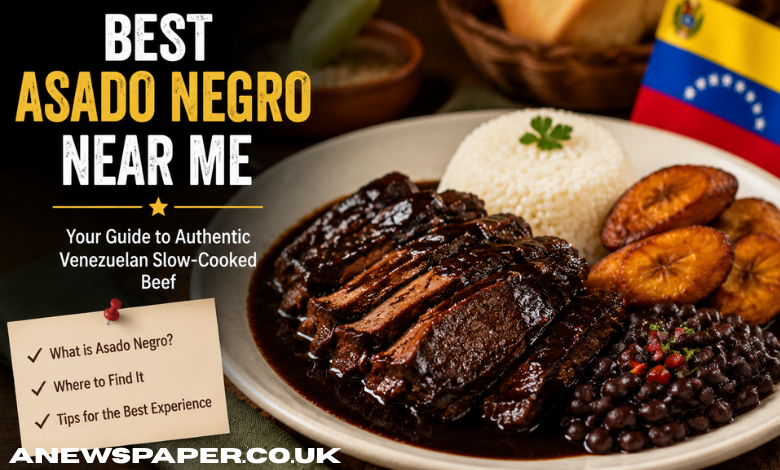
When ordering Asado Negro in a restaurant, it is usually served as a complete plate rather than a single item, and the beef is typically sliced and covered in its dark sauce while being accompanied by simple sides such as rice, plantains, potatoes, or bread, which help balance the strong flavor of the sauce and make the dish more filling; the portion is usually generous because it is designed as a main meal, and the sauce is poured over both the meat and sides so that everything on the plate shares the same flavor base, and the overall experience is meant to feel like a home-style cooked meal rather than a plated fine dining presentation.
Why availability is limited in many places
One of the main reasons people struggle when searching for best asado negro near me is that it is not a quick dish to produce, since the cooking process requires several hours of slow heat, careful caramelization of sugar, and controlled reduction of liquid, which makes it difficult for restaurants that operate on fast service models; because of this, many places do not include it on their daily menu and instead prepare it only on specific days or for pre-orders, which means customers need to plan ahead rather than expect it to be available at all times, and this limited availability is one of the main reasons it feels like a special dish rather than a regular menu option.
Tips for ordering Asado Negro
When trying to find the best experience for Asado Negro, it helps to understand how restaurants handle preparation, and checking availability before visiting is important because many places only serve it on weekends or limited days due to the long cooking process; it is also useful to ask whether the dish is freshly prepared or pre-cooked and reheated, since freshly cooked versions usually have better texture and flavor, and choosing restaurants that specialize in Venezuelan or broader Latin American cuisine increases the chance of finding a more authentic version, while reading customer feedback or reviews can also help identify places where the meat is consistently tender and the sauce is well balanced rather than overly sweet or too thick.
Variations of Asado Negro you may find
Different restaurants prepare Asado Negro in slightly different ways depending on regional influence and chef preference, and while the base method remains slow-cooked beef in a dark caramel sauce, some versions use wine to add depth while others rely only on broth and spices, and the sweetness level can also vary depending on how much caramelized sugar is used during cooking; some chefs add vegetables such as carrots or peppers to adjust the flavor base, while others keep it simple and focus mainly on the beef and sauce, and these variations mean that no two servings taste exactly the same even though they follow the same traditional cooking idea.
Cultural importance of Asado Negro
Asado Negro holds deep cultural significance in Venezuela, where it is commonly served at family gatherings, festive occasions, and relaxed weekend meals, reflecting a cooking tradition that prioritizes patience, slow preparation, and attention to detail rather than quick cooking methods; it is valued for its ability to turn a simple cut of beef into a rich, flavorful dish through long, careful cooking techniques, and many households preserve their own unique versions of the recipe across generations, making it both a personal tradition and a shared cultural symbol, which is why people living outside Venezuela often seek it as a way to reconnect with familiar home-style food and cultural roots.
Final thoughts
Searching for best asado negro near me is usually not just about finding a restaurant but about finding a version of a traditional Venezuelan dish that is prepared with care and time, and because it is not widely available in fast dining environments, it often requires looking into specialized Latin American restaurants or checking for weekend specials; when prepared properly, Asado Negro offers a slow-cooked beef experience with a dark caramelized sauce that reflects its cultural roots, and understanding how it is made, where it is usually served, and why it is not always available helps set realistic expectations for anyone trying to find it locally.