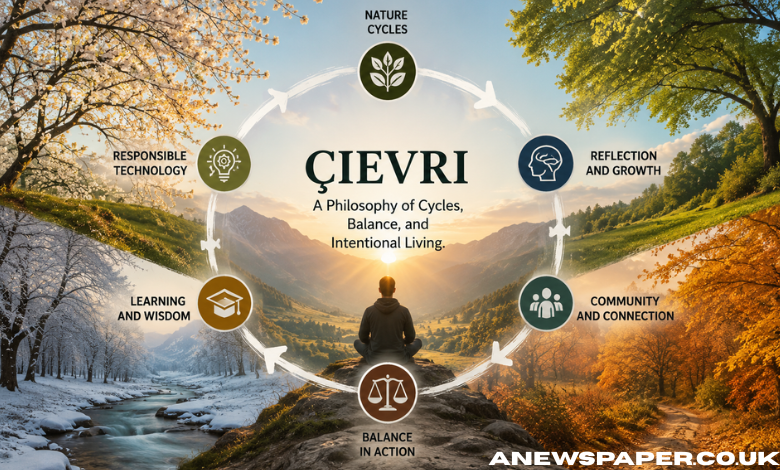
Çievri is a concept built around the understanding that life operates through cycles rather than straight lines. It is a philosophy that encourages people to observe patterns, understand recurring processes, and make decisions with awareness of long-term consequences. The term has historical links to Turkic traditions where cycles of nature, seasonal changes, and continuity were central to daily life. Over time, the meaning of çievri has expanded beyond cultural traditions and developed into a broader framework that can be applied to personal growth, education, technology, sustainability, and community development. Instead of focusing only on constant progress or rapid change, çievri highlights the importance of renewal, reflection, and balance in every aspect of life.
What Is Çievri?
At its core, çievri refers to the idea of turning, returning, and continuous movement. It is based on the belief that events, experiences, and systems are connected through recurring cycles. Rather than seeing life as a sequence of isolated moments, çievri encourages people to understand how past actions influence present conditions and future outcomes. This perspective helps individuals recognize patterns in their behavior, relationships, work, and environment. The philosophy does not reject progress or ambition; instead, it suggests that sustainable growth happens when people move in harmony with natural rhythms and recurring processes rather than constantly pushing for immediate results.
The Origins of Çievri
The roots of çievri can be traced to old Turkic ideas that emphasized circles, repetition, and the natural flow of life. Traditional societies organised farming, community gatherings, and cultural traditions around the recurring rhythms of the seasons. These recurring events shaped their understanding of time and existence. Instead of viewing time as a straight path with a clear beginning and end, they often saw it as a cycle where lessons, traditions, and experiences returned in different forms. This understanding influenced cultural practices and created a mindset that valued continuity, patience, and awareness of recurring patterns in nature and society.
The Principle of Cyclical Thinking
One of the main foundations of çievri is cyclical thinking. This approach encourages people to recognize that many events repeat themselves in different ways. Economic trends, personal habits, educational development, and environmental processes all follow patterns that can be observed over time. By understanding these patterns, individuals and organizations can make more informed decisions and avoid reacting impulsively to short-term situations. Cyclical thinking also helps people understand that setbacks are often part of a larger process rather than permanent failures, making it easier to adapt and continue moving forward.
Çievri and Personal Development
When applied to personal growth, çievri promotes steady improvement through reflection and experience. It teaches that development is not a straight journey where progress occurs every day without interruption. Instead, growth often includes periods of learning, adjustment, rest, and renewal. People may revisit the same challenges multiple times, but each experience provides new knowledge and perspective. Through this process, individuals gradually develop greater self-awareness and resilience. Çievri encourages people to view these recurring experiences as opportunities for learning rather than signs of stagnation.
The Role of Reflection in Çievri
Reflection is an essential element of the çievri philosophy because it transforms experience into understanding. Many people move quickly from one task or responsibility to another without taking time to evaluate outcomes. Çievri suggests that meaningful progress requires moments of reflection where individuals can assess their actions, recognize patterns, and identify lessons. Reflection creates space for better decision-making and prevents people from repeating the same mistakes without learning from them. By making reflection a regular practice, individuals gain a clearer understanding of their goals and the direction of their lives.
Mental Clarity and Conscious Living
Çievri places significant importance on mental clarity because clear thinking allows people to respond thoughtfully rather than react automatically. Modern environments often create constant distractions through information overload, notifications, and competing demands for attention. The philosophy suggests that clarity does not come from consuming more information but from creating space to process and understand existing knowledge. Conscious living involves paying attention to thoughts, actions, and surroundings while remaining aware of personal priorities. This approach helps individuals maintain focus and make choices that align with their long-term objectives.
Çievri in Daily Life
The principles of çievri can be applied to everyday routines and responsibilities. People naturally experience cycles of energy, motivation, creativity, and rest throughout their lives. Recognizing these rhythms allows individuals to organize activities more effectively and avoid unnecessary stress. Instead of forcing constant productivity, çievri encourages a balanced approach that respects natural fluctuations in capacity and focus. By understanding personal patterns, individuals can create routines that support both achievement and well-being without sacrificing one for the other.
Çievri and Education
Education provides a strong example of how cyclical learning works in practice. Students learn concepts, apply them, make mistakes, receive feedback, and improve through repetition. This learning model aligns with the principles of çievri, where knowledge grows through repeated practice and ongoing experience rather than a single moment of instruction. The philosophy encourages educational approaches that emphasize curiosity, critical thinking, and continuous learning. It also highlights the importance of connecting knowledge across different subjects, allowing students to understand how ideas interact and influence one another in real-world situations.
The Relationship Between Çievri and Technology
Technology is often associated with rapid change, but çievri offers a framework for evaluating innovation through a long-term perspective. The philosophy encourages the development of technology that supports human well-being and sustainable growth rather than creating unnecessary dependency or disruption. It emphasizes responsible innovation where designers and organizations consider the future impact of their creations. Many technological systems already operate through cycles of planning, development, testing, feedback, and improvement, making the principles of çievri highly relevant in modern technological environments.
Sustainability and Environmental Awareness
Environmental sustainability is closely connected to the philosophy of çievri because nature itself functions through cycles. Water moves through evaporation and rainfall, plants grow and decompose, and ecosystems continuously renew themselves through interconnected processes. Sustainable practices focus on renewal and long-term balance rather than short-term gain. This perspective supports responsible resource management, environmental protection, and the development of systems that can continue functioning effectively for future generations.
Çievri and Community Development
Communities also operate through cycles of cooperation, learning, adaptation, and renewal. Trust and social relationships are built over time through repeated interactions rather than single events. Çievri recognizes the importance of these recurring social processes and encourages people to invest in long-term community well-being. Shared traditions, cultural knowledge, and collective experiences help strengthen communities and create continuity between generations. By valuing both stability and adaptation, the philosophy supports social structures that remain resilient during periods of change.
The Importance of Balance
Balance is one of the most important themes within çievri because it allows systems and individuals to remain sustainable over time. Extreme approaches often create instability, whether in personal habits, organizational strategies, or environmental policies. Çievri promotes moderation and thoughtful decision-making by encouraging people to consider multiple factors before taking action. This balanced perspective helps individuals avoid burnout, supports healthy relationships, and creates conditions where growth can continue without causing unnecessary strain or disruption.
Decision-Making Through Çievri
The philosophy of çievri offers a unique approach to decision-making by encouraging people to think beyond immediate results. Before making important choices, individuals are encouraged to consider how their actions may influence future cycles and recurring patterns. This approach helps identify potential consequences that might otherwise be overlooked. Whether applied to personal goals, business strategies, educational planning, or environmental policies, çievri supports decisions that create lasting value and contribute to long-term stability rather than temporary success.
Why Çievri Matters
Çievri matters because it provides a practical framework for understanding complexity in a connected world. Many challenges arise when people focus exclusively on short-term outcomes without considering broader patterns and relationships. By emphasizing awareness, continuity, and responsibility, the philosophy helps individuals and organizations make more informed choices. Its relevance extends across multiple fields because cycles and recurring processes are present in nearly every aspect of life. This flexibility allows çievri to remain meaningful regardless of changing circumstances or environments.
The Future Perspective of Çievri
As interest in sustainable living, responsible technology, and long-term planning continues to grow, the principles of çievri offer valuable insights for future development. The philosophy encourages people to move beyond immediate gratification and consider how present actions shape future possibilities. By recognizing recurring patterns and respecting natural cycles, individuals and societies can create systems that remain effective and adaptable over time. This future-oriented perspective makes çievri more than a historical concept; it becomes a practical guide for navigating change while maintaining stability and purpose.
Conclusion
Çievri is a philosophy centered on cycles, continuity, reflection, and responsible action. Rooted in traditional ideas about recurring movement and natural rhythms, it has evolved into a modern framework that applies to personal development, education, technology, environmental sustainability, and community life. Rather than measuring success solely through speed or constant expansion, çievri encourages people to value awareness, balance, and long-term thinking. By understanding how actions connect across time and recognizing the importance of renewal, individuals can create more sustainable paths toward growth and achievement. The lasting value of çievri lies in its simple but powerful reminder that meaningful progress often emerges through continuous cycles of learning, adaptation, and renewal.