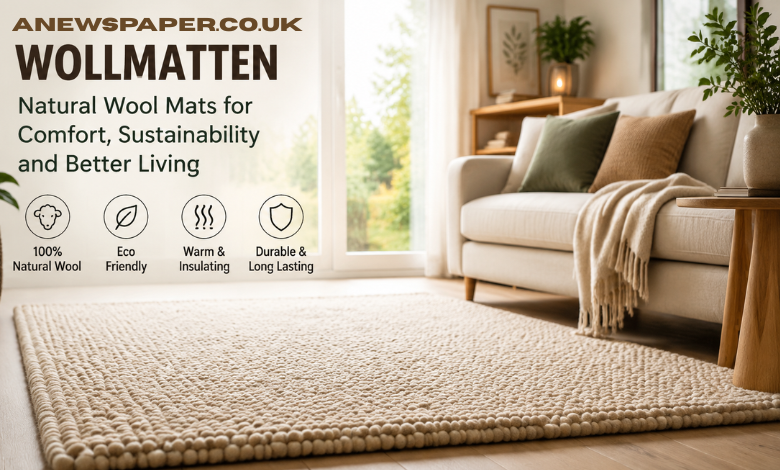
Wollmatten, or wool mats, are simple textile-based floor coverings made primarily from natural wool fibers. While the concept is not new, their use has gained renewed attention in recent years as people reconsider the materials they bring into their homes. In interior design, wellness spaces, and even fitness environments, wollmatten are being chosen for their practical qualities rather than decorative appeal alone.
This article looks at what wollmatten are, how they are made, where they are used, and why they are becoming more relevant in contemporary living spaces.
What are Wollmatten?
Wollmatten are mats made from wool, either in woven, felted, or pressed form. The structure depends on the manufacturing process, but the core material remains natural sheep wool. Unlike synthetic mats made from plastic-based fibers, wollmatten rely on the natural properties of wool:
- Thermal insulation
- Moisture regulation
- Elastic fiber structure
- Natural resistance to dirt and odor
These characteristics make wool mats suitable for both functional and comfort-oriented applications.
In most cases, wollmatten are used as floor coverings, but they can also serve as padding layers, exercise surfaces, or protective insulation in interiors.
A Brief Background of Wool-Based Floor Coverings
The use of wool in floor coverings has a long history. In early nomadic societies, wool was one of the most accessible and practical materials available. It could be sourced from livestock, processed without industrial tools, and shaped into durable textile layers.
Historically, wool mats were used for:
- Insulation in cold climates
- Sleeping surfaces in temporary shelters
- Decorative floor pieces in early settled homes
- Cultural textiles reflecting regional patterns and craftsmanship
Over time, weaving and felting techniques became more advanced, allowing wool mats to develop from basic utility items into crafted household goods. In many regions, wool-based floor coverings also became part of cultural identity, often reflecting local patterns, symbols, or storytelling traditions.
Modern wollmatten are a continuation of this material tradition, but with simplified designs and industrial production methods.
How Wollmatten Are Made
The production of wollmatten varies depending on the intended use and quality level. However, the basic process typically involves the following stages:
1. Wool Collection and Cleaning
Raw wool is collected from sheep and cleaned to remove natural oils, dust, and debris. This stage is important because wool contains lanolin, which affects texture and processing.
2. Carding or Fiber Alignment
The cleaned wool fibers are aligned in a consistent direction. This helps create a uniform texture in the final mat.
3. Felting or Weaving
There are two primary methods:
- Felting: Wool fibers are pressed and agitated with moisture and heat, causing them to bond naturally.
- Weaving: Wool yarn is spun and woven into structured mats using looms.
4. Pressing and Shaping
The material is pressed into flat sheets or layered structures. Thickness varies depending on purpose.
5. Finishing
Some wollmatten are trimmed, dyed, or lightly treated to improve durability or appearance. However, many modern versions are left in natural tones to preserve the raw look of wool.
Physical Properties and Material Behavior
Wool is a natural protein fiber with a complex internal structure. This gives wollmatten specific physical properties that make them different from synthetic mats.
Thermal Regulation
Wool traps air within its fibers, creating insulation. This helps maintain temperature balance, keeping surfaces warm in cold conditions and relatively cool in warmer environments.
Moisture Control
Wool can absorb moisture without feeling wet. It slowly releases humidity back into the environment, helping regulate indoor air conditions.
Elasticity and Compression Recovery
Wool fibers naturally compress under pressure and then return to their original shape. This makes wollmatten comfortable for standing or sitting.
Durability
When properly maintained, wool mats can last for years without losing structural integrity.
Common Uses of Wollmatten
Wollmatten are not limited to one specific application. Their flexibility allows them to be used in different environments.
1. Home Interiors
In residential spaces, wollmatten are often used as floor coverings in living rooms, bedrooms, and hallways. They add a layer of softness and reduce noise levels in indoor environments.
2. Yoga and Exercise Spaces
Wool mats are increasingly used in wellness environments. They provide a stable yet comfortable surface for stretching, meditation, and light exercise. Unlike synthetic mats, they do not retain strong odors and feel more natural under the body.
3. Children’s Rooms
Parents sometimes prefer wollmatten in children’s areas because of their natural composition and softer surface compared to harder flooring.
4. Insulation Layering
In some construction and interior design settings, wool mats are used as insulation layers under flooring or wall coverings.
5. Temporary and Modular Spaces
Wollmatten are also used in temporary setups such as exhibitions, workshops, or events where quick installation and removal are needed.
Why Wollmatten Are Gaining Popularity
The growing interest in wollmatten is not based on aesthetics alone. Several practical and lifestyle-related factors are contributing to their increased use.
Shift Toward Natural Materials
More people are choosing natural materials over synthetic alternatives. Wool fits into this shift because it is renewable and biodegradable.
Indoor Comfort Awareness
There is increasing attention on how indoor environments affect comfort and wellbeing. Soft flooring materials like wool contribute to a quieter and more stable indoor atmosphere.
Minimal Maintenance Requirements
While wool requires basic care, it does not demand complex cleaning routines. Many users prefer materials that are easy to manage over long periods.
Multi-Purpose Use
A single wool mat can serve multiple functions—floor covering, exercise surface, or insulation layer—making it practical for smaller living spaces.
Maintenance and Care
Wollmatten are relatively easy to maintain, but they do require proper handling to extend their lifespan.
Regular Cleaning
Light vacuuming helps remove dust and particles from the surface. It is usually enough for everyday maintenance.
Spot Cleaning
Small stains can be treated with mild soap and water. Harsh chemicals are generally avoided because they can damage natural fibers.
Airing Out
Wool benefits from fresh air exposure. Occasional airing helps maintain freshness and reduces trapped odors.
Avoid Excess Moisture
Although wool can handle some moisture, prolonged exposure to water can weaken the structure of the mat.
Environmental Considerations
One of the reasons wollmatten are often discussed in sustainability contexts is their material origin.
Wool is:
- Renewable (shorn from animals)
- Biodegradable
- Long-lasting when maintained properly
Compared to synthetic floor coverings, wool mats generally have a lower environmental impact during disposal, since they decompose naturally over time.
However, environmental impact also depends on farming practices, processing methods, and transportation. These factors vary widely across producers.
Limitations of Wollmatten
Despite their advantages, wool mats are not suitable for every situation.
Cost
Wool-based products can be more expensive than synthetic alternatives due to production and material costs.
Sensitivity to Moist Environments
In highly humid or wet conditions, wool mats may require additional care to prevent damage.
Maintenance Expectations
While not difficult to maintain, they still require more attention than plastic or rubber mats in certain environments.
Conclusion
Wollmatten represent a practical use of a traditional material adapted for modern living spaces. Their value is not based on trends but on the functional properties of wool itself—comfort, insulation, and durability. As people continue to rethink how their living environments are designed, materials like wool are becoming more relevant again. Whether used in homes, wellness spaces, or temporary setups, wollmatten offer a simple solution rooted in natural material science rather than artificial enhancement. They are not a replacement for all flooring or matting needs, but they serve a specific role where comfort, material quality, and natural composition are priorities.